

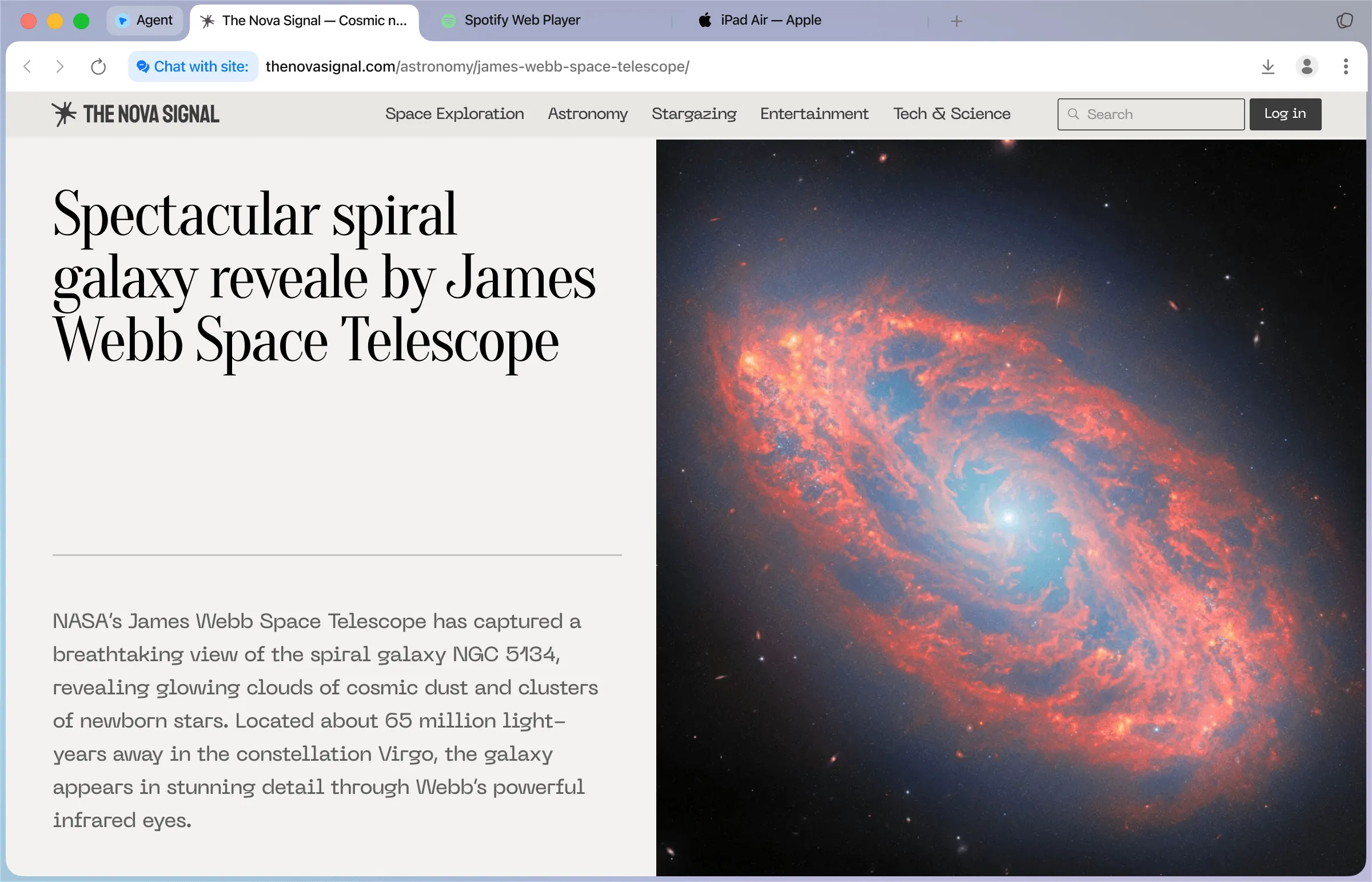
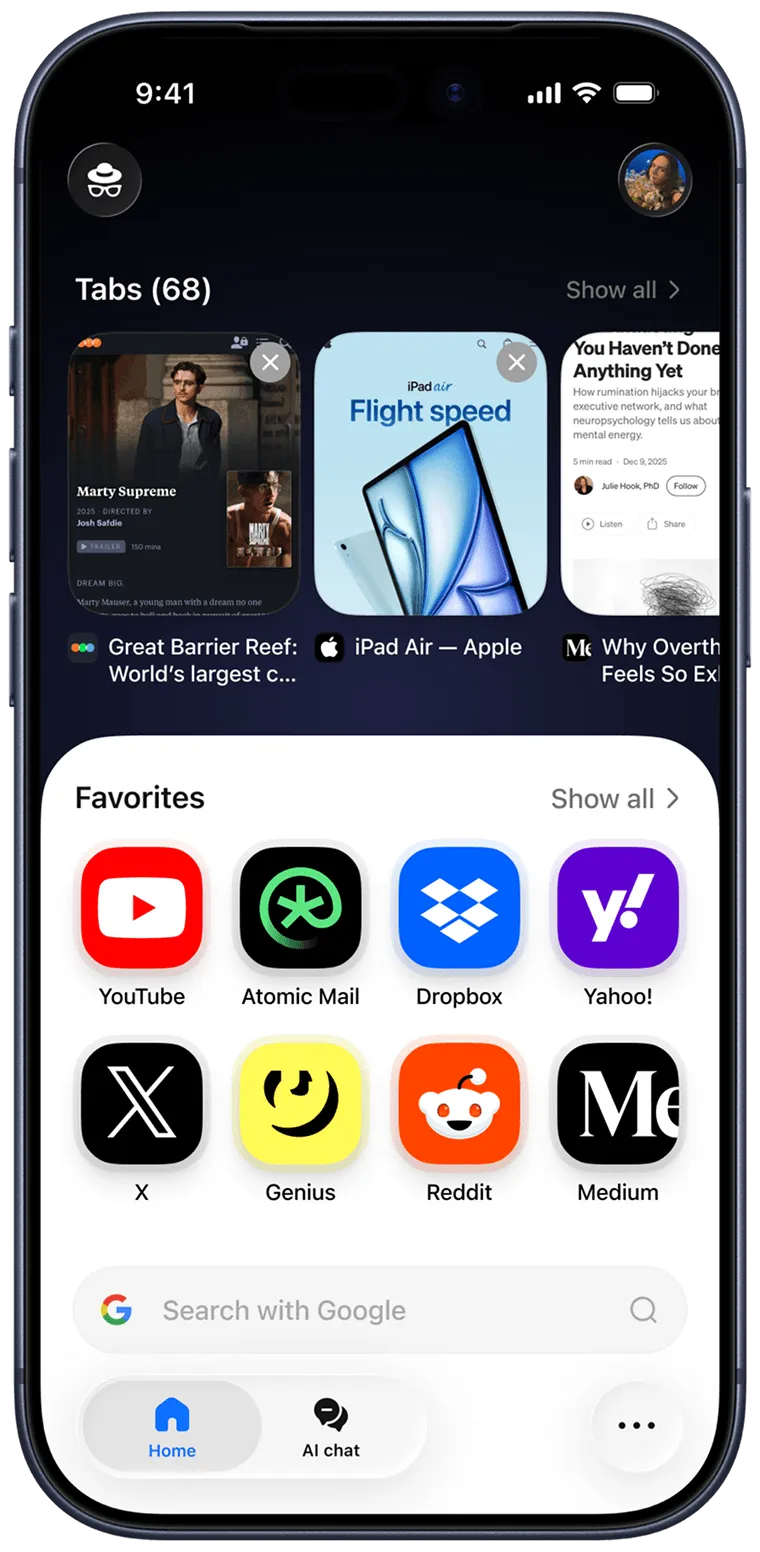
What makes a browser ad free
An ad free browser blocks ads inside the browser itself, so there's no extension to find and no filter list to set up. Sigma ships with its blocker built in and adds a few protections most ad blockers skip.

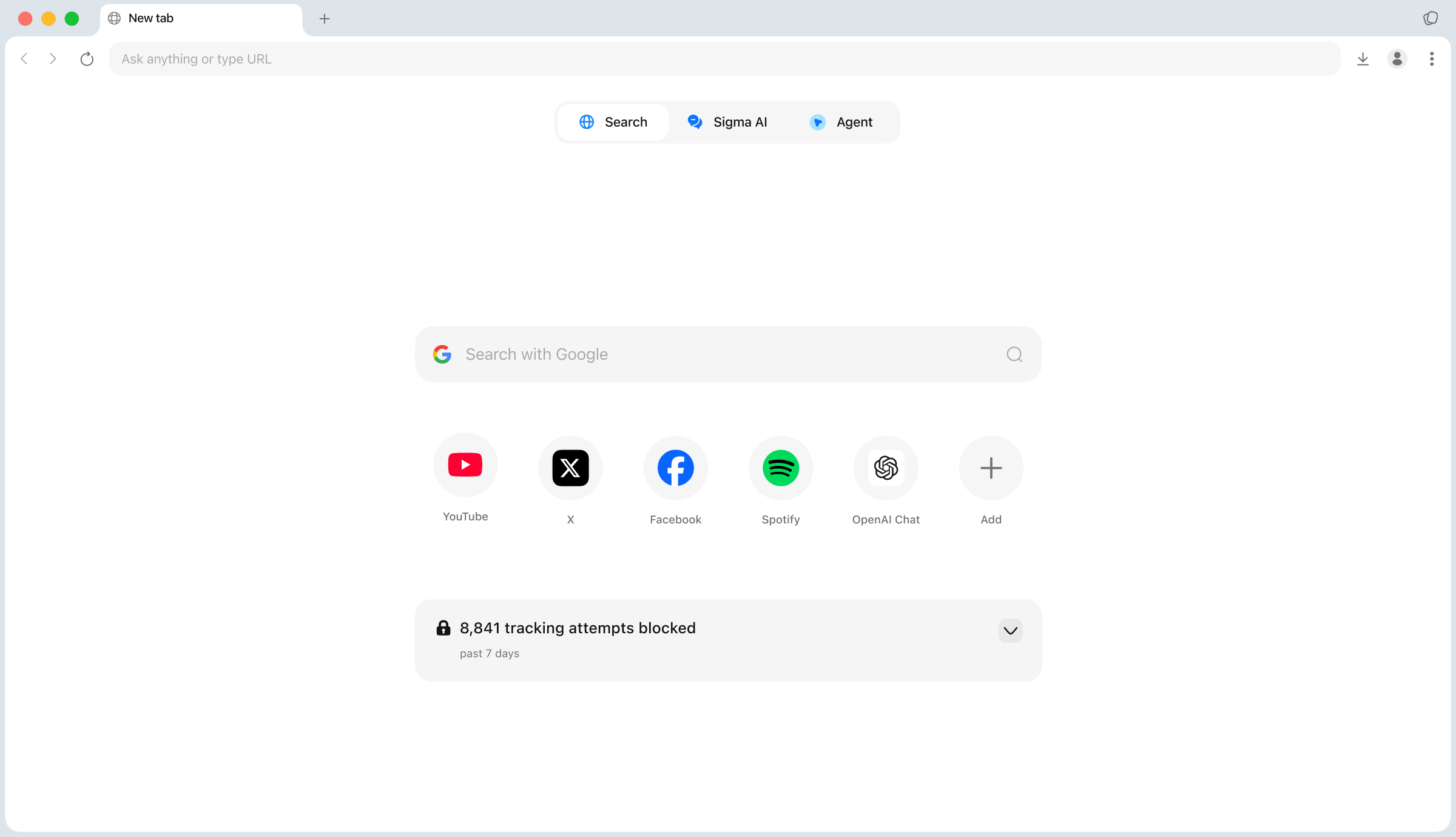
Ad blocker built in, nothing to install
Phishing warnings and DNS-over-HTTPS
Free local AI that works offline
Your Chrome extensions still work
Built-in ad blocker vs an extension
Both remove ads. The difference shows up in setup, updates and how much access you hand to third parties.

Nothing to install or update
The blocker ships with the browser, so it's ready on first launch. There's no store listing to vet and no separate add-on to keep up to date.

One less add-on reading your pages
To block ads, an extension usually needs permission to read and change the sites you visit. A built-in blocker means one fewer third party with that access.

Not tied to Chrome's extension rules
Chrome moved extensions to Manifest V3 and switched off the full uBlock Origin for regular users in 2025. A blocker that's part of the browser doesn't wait on store extensions.

Less for each page to load
Ad scripts, frames and tracking pixels are extra requests. Block them and a page has less to download and run, though the gain varies by site. See our RAM test.
Sigma vs. Safari

1.30x
faster
Sigma vs. Brave

1.17x
faster
Sigma vs. Chrome

1.13x
faster
Sigma vs. Perplexity Comet

1.10x
faster
Sigma's own Speedometer 3.0 test: 10 runs per browser on a MacBook Pro M4, average score.
In Sigma's own test with 10 identical tabs open, Sigma used 0.8 GB of RAM, the least of the five browsers. That leaves more memory for your other apps.
Sigma

0.8 Gb
Brave
0.92 Gb
Perplexity Comet
0.95 Gb
Chrome
1.00 Gb
Safari
1.2 Gb
Privacy that goes past blocking ads
Ads are one way sites follow you. Sigma also keeps your AI prompts on your device and your accounts apart. See how Sigma Private Browser works
Your AI prompts stay local
Eclipse answers on your device, even offline

Most AI browsers send your prompts to a cloud model. Eclipse is a local model built into Sigma, so what you ask stays on your device.
Built-in ad blocker
Ads gone out of the box, no extension needed

Sigma blocks ads from your first page and warns you about phishing sites in real time. There's nothing to install or configure.

Private Profiles
Encrypted, with a 12-word recovery phrase
Keep work, personal browsing and accounts in separate spaces. Profile data is encrypted and secured by a 12-word recovery phrase.
AI tools that come with the browser
Ad blocking keeps pages clean. These tools help you get through them faster, and Eclipse does it without a cloud.
AI agent
Hand off the clicking
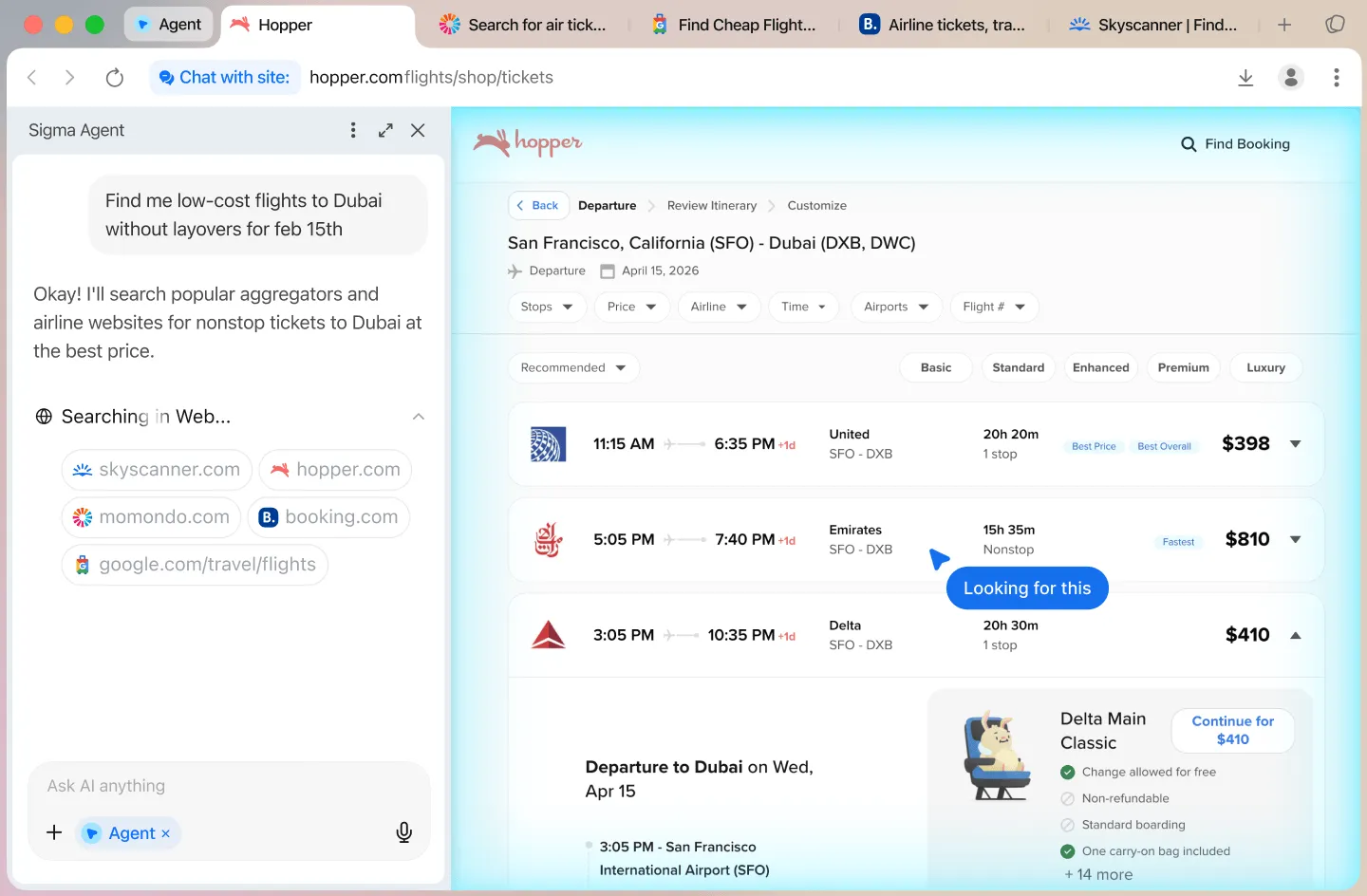
Type a goal in plain words and the agent opens pages, clicks and fills forms until the task is done. Check its work before payments and logins.
Learn more about the AI agentAI chat
Ask, summarize, research

Ask questions, chat with the open page, run Deep Research or create an image from a prompt. Highlight any text to translate it with Quick Translate.
Learn more about Deep ResearchEclipse
Offline AI on your device

Eclipse is a free local AI model inside Sigma. It works offline, so drafts, summaries and questions never leave your device.
Learn more about EclipseIs Sigma the right browser for you?
It fits well if one of these sounds like you. If you need full anonymity, use Tor Browser, because no ad blocker hides your IP address.

You want AI without the cloud
Eclipse runs on your device and keeps working offline. Use it for drafts and questions you'd rather not send to a server.
You read and research a lot
Clean pages are easier to read. Chat With Page sums up long articles and Deep Research gathers sources for you.

You're done with ads
The ad blocker is part of the browser, so there's no extension to install and no filter list to manage.
Get rid of ads in three steps
1
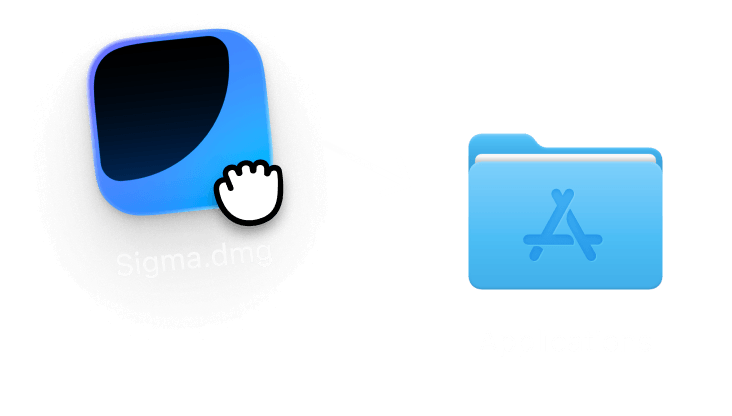
Download Sigma
Get the free browser for macOS or Windows, or from the App Store on iPhone. It runs on Chromium, so your Chrome extensions work.
2
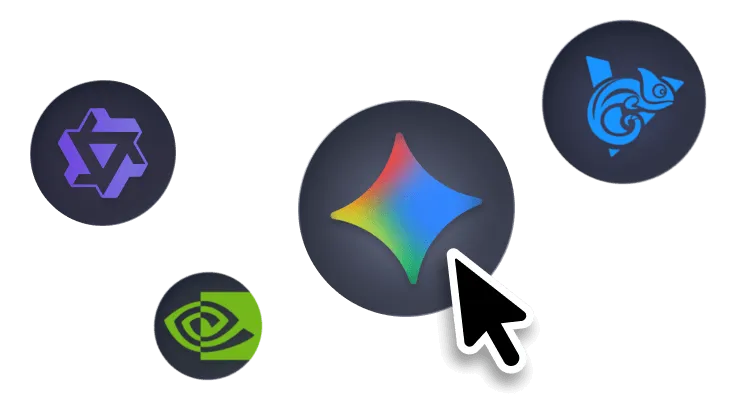
Pick local AI
Choose Eclipse when you want AI that stays on your device. It answers without an internet connection.
3
Browse without ads
Open your usual sites without the clutter. Ask AI about any page or hand a task to the agent. For bigger questions, try Deep Research.
Ad blocking in Sigma, Brave and Chrome
What each browser does out of the box, checked in October 2026.
Sigma
Brave
Chrome
Ad blocker built in
Works with Chrome extensions
Offline AI chat built in
Local AI for your PDFs
Private Profiles with a recovery phrase
Built-in crypto wallet
Brave Shields block third-party ads by default and first-party ads only in Aggressive mode. Brave Leo uses cloud models unless you connect your own. Chrome's filter only removes ads on sites that fail the Better Ads Standards. Checked in October 2026.

Questions about blocking ads
If you have any questions,
reach out to us on X at @Sigma_Browser
reach out to us on X at @Sigma_Browser
Which browser has the least ads?
How do I block ads in my browser?
Is DuckDuckGo an ad free browser?
Which browser includes a free VPN and ad blocker?
Is Sigma free?
What's the most private browser that blocks ads?
×
Get Sigma on Android
We’ll let you know when Sigma for Android launches.


